




My year on Wegovy: How semaglutide changed my perimenopausal life
The author chose to share her story anonymously • Originally published in February 2025
I’ve spent the last year in a pretty exclusive club. In February 2024, I began weekly doses of Wegovy (semaglutide), which I injected into my belly. As a Gen X gal a few years into perimenopause, I’ve gained a ton of weight — to the point that my labs were screaming at me in all caps: YOU IN DANGER, GIRL.
How I got started on semaglutide: On the struggle bus
I received the Wegovy prescription from my regular doctor in November 2023, after asking if she would prescribe it to help me lower my skyrocketing A1C levels. I’d been over 200 pounds (around 233) for a few years, without any luck of shaking it through exercise or diet changes. My blood pressure was high, along with my A1C which was at the top of the “pre-diabetes” range. She agreed, but it wasn’t that easy. I still had to navigate the wild waters to obtain the drug, which was unavailable anywhere.
I spent months calling a handful of local pharmacies — ranging from national chains as well as a few mom-and-pop options. I’d hear the same thing over and over: they didn’t have Wegovy in stock but they could attempt to get some for me if I went through the process of transferring over my prescription to their pharmacy. But there were no guarantees.
At one pharmacy, the pharmacist legit laughed at me over the phone when I asked how possible it was to get the drug. I was heartbroken. I even called the pharmacy benefit manager associated with my insurance to see if they could recommend any other options — like running for the border in Canada. But they said neither was a viable solution for me.
The weighting game
I waited and even considered joining one of the growing number of “medical spas” in my city, which offered their own cocktail of GLP-1 drugs with a hefty “membership fee” tacked on each month. But what would cost just a few hundred dollars with my insurance at a normal pharmacy would cost thousands through a med spa — with no guarantee that their elixir (called “compounding” in pharmacy speak) would do the trick.
I hemmed and hawed and waited it out a little longer. At the end of 2023, Novo Nordisk, the company that makes Wegovy as well as Ozempic, promised that they would be ramping up production in early 2024. I had hope.
“I remembered those days of my own dieting so well – and I realized how diet-charged our existences had become. And how toxic diet culture permeated everything.”
But January came and went. My doctor was out on maternity leave, so I met with her fill-in for a check-up — and my labs were even worse from the holidays. But this time, the substitute doctor had new ideas for sourcing my prescription: mail order. Low-and-behold, CVS Mail Order Pharmacy had the injections, and I was able to get my first “starter” doses of Wegovy in February 2024.
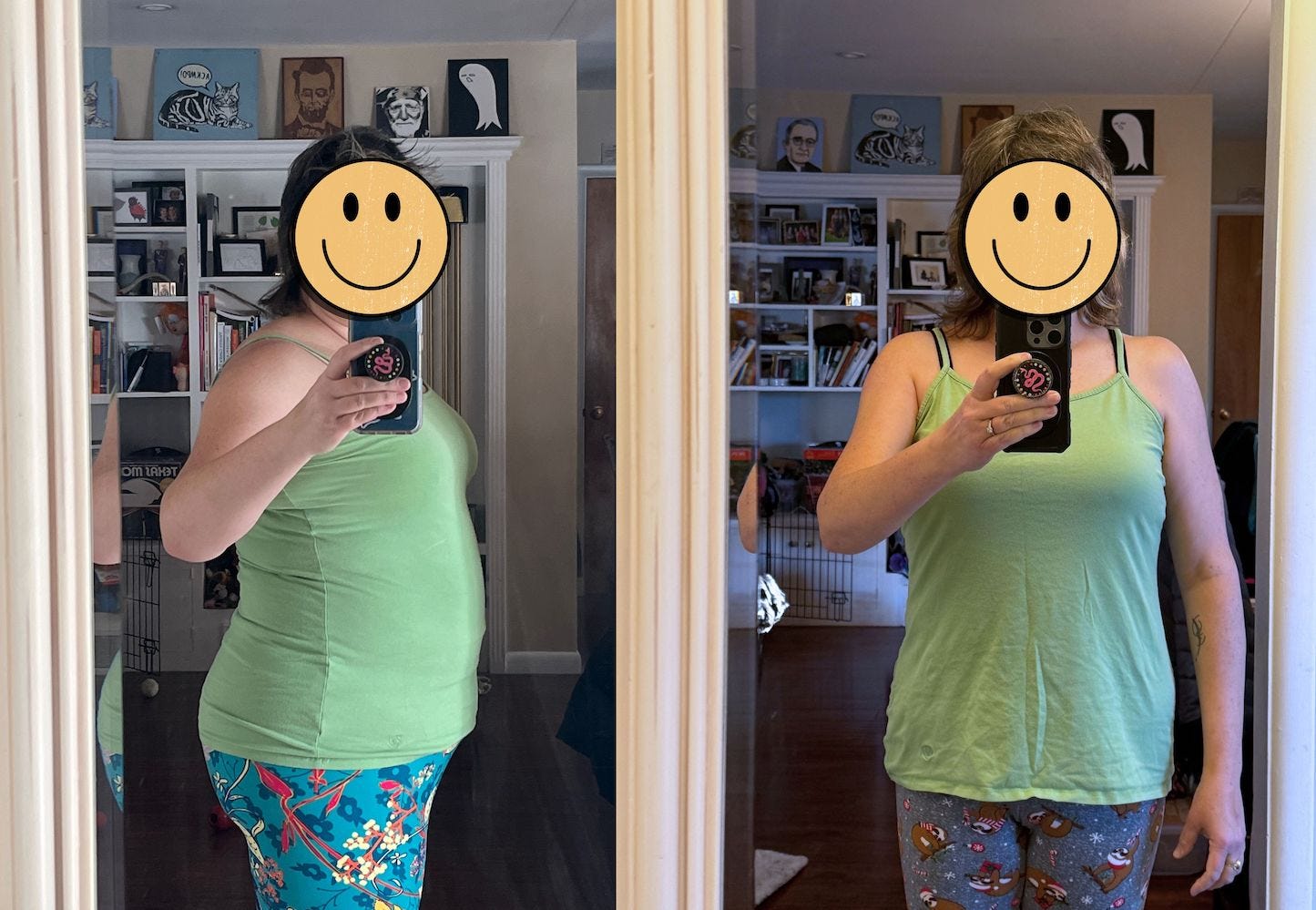
I continued with CVS as I ramped up my dosing, and now I get Wegovy at my local pharmacy. (Since last spring, CVS Mail Order Pharmacy stopped carrying Wegovy completely, citing costs.) Finding doses locally has now become easier, partly due to increased production — partly as initial Wegovy users discontinued their medication.
Scaling down: How Wegovy works and feels
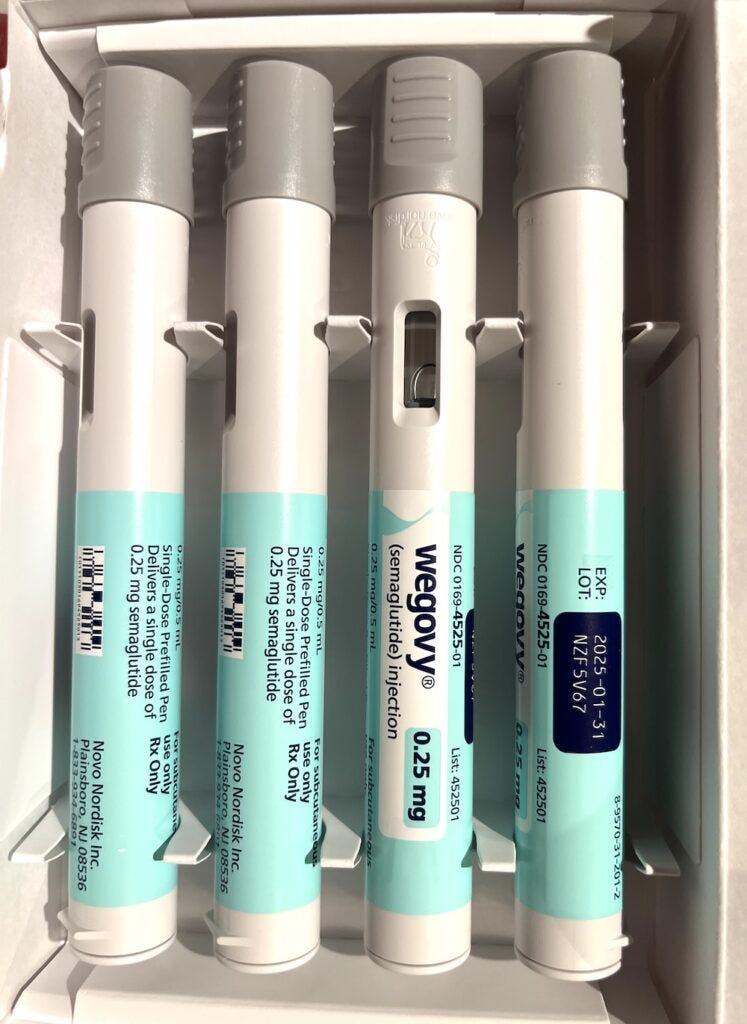
Because Wegovy (like other GLP-1 inhibitor drugs) works to make your stomach empty slower, it can be a bit of a shock to your system. Patients start on a very low dose — just .25 mg each week for the first month, administered via epi-pen injection. It’s then increased (if you’re tolerating it well) to a .50 mg dose. Then 1 mg, 1.7 mg, and finally 2.4 mg as the final dosage. In normal circumstances, this takes five months, but sometimes patients repeat a month or go slower per doctors’ instructions on individual tolerance.

First, almost immediately, I felt a physical fullness creep into meals. Especially when eating later in the day. I wouldn’t say that I had cues to stop eating all the time, but if I took it slowly and served myself less, I would hit the end of a meal having eaten less than I used to. In fact, that was the one overarching tip my doctor gave me: put half of what you’d normally eat on your plate. It was the best advice I received on managing the effects so I wouldn’t feel like I had to throw up. This worked well to make me feel satisfied and “normal,” even while suddenly consuming less food.
The silence of “food noise”
The problem with eating habits are, well, they’re habits! And by the time you hit your 40s, you’ve definitely gone on autopilot with food. Food was and still is pretty tied to emotions. The biggest change I experienced at the start of taking Wegovy was a turning down of the “food noise” in my head.
I never heard a name for this emotional eating that fit so well as this phrase. It’s almost like I didn’t realize how loud or constant it was until it was gone. (Like tinnitus suddenly lifting.) No more did I feel like I had to go and raid the pantry for something salty or sweet at certain times of the day. And I didn’t even want dessert now? (Who was this person?)

Ozempic: Weighing the pros and (often hidden) cons
“Nothing tastes as good as skinny feels.”
That refrain has been repeated since Kate Moss popularized it in the 2000s. And if you are like me, the 1 in 3 adults in the US who are overweight, it reminds you of the stigma that is often tied to fatness: you’d rather indulge yourself with food than opt for the skinny life, a life you may never get a taste of. As though body size is solely a reflection of discipline, and not a result of a demanding, sedentary, junk-food-filled society.
Yes, obesity is a health crisis. But our nation’s weight issue is not only a medical concern, but a cultural one, too. Study after study validates that overweight people, especially women, face stigma and discrimination that result in favoring the fit. That’s been socially acceptable for decades.
But this anti-obesity boom is only just beginning. As worldwide obesity rates continue to rise, drugs like Ozempic and Wegovy (powered by a molecule called semaglutide) and Mounjaro (which uses tirzepatide) became the first pharmaceutical brands to reach celebrity status across social media. While Ozempic is currently prescribed for those who have type 2 diabetes, each of these appetite-suppressing drugs have proven to be effective in promoting weight loss, including menopausal weight gain. And future versions of these glucagon-like peptide-1 (GLP-1) medicines could be game-changers: In clinical trials, they’re showing to not only stave hunger, but improve the way your body breaks down sugar to boot.
From possible side effects like “Ozempic personality” to potentially curing addictions, here’s the skinny on the lesser known side effects of weight loss drugs (before you start to feel seduced by these injectable hormones).
There are two sides to every story
Pharma marketing in the digital world is not new. For decades, drugmakers have jumped through strict, regulated hoops to market their medicines. The FDA does this so that consumers aren’t misled about a drug’s potential benefits versus its potential risks. Unlike company drug advertisements, unpaid social media posts don’t have to describe a drug’s side effects or tell people to ask for their doctor’s perspective. Influencers sharing their newfound Ozempic bods – veiled as an authentic vignette of How Much Better Your Thinner Life Could Be if You, Too, Scored a Prescription – only paints part of the picture. They don’t share how much this drug may have caused them severe stomach pains, or poorly impacted their mental health.
For example, influencer Karen Evans’s video sharing tips for taking Ozempic, including for managing nausea, reached nearly 500,000 views. After posting, she had to stop taking the drug because the vomiting became so bad, she told the Wall Street Journal. But that detail is not shared in a follow-up video – it can only be learned if you read the fine print of the caption. The virtual word-of-mouth can come across as authentic and accessible, but remember, things on social media are not always as they appear.
Potential for treating other conditions
While GLP-1 drugs will continue to evolve in weight loss treatment, studies have also shown promise in treating Alzheimer’s and Parkinson’s, possibly as a result of these drugs’ ability to regulate insulin levels and calm inflammation. Plus, this shows that these drugs could be beneficial for other conditions made worse by chronic inflammation.
Then there are meaningful mental health benefits. Some studies have found decreases in the risk of depression and anxiety after taking these medicines. They could be useful as treatment for schizophrenia and neurological dysfunction, as insulin-like hormones like GLP-1 play an important role in the central nervous system and semaglutide helps to reshape the brain’s reward system. It might even redirect compulsive behavior, too, like alcoholism and drug addiction, compulsive shopping and gambling, nail biting and skin picking, and sex addiction and smoking.
Long-term effects are still unknown
There was “Ozempic face,” the term people used to describe how the weight loss after taking the drug resulted in increased wrinkling or hollowing of the face. Then “Ozempic butt,” drooping and sagging of the skin. And now, “Ozempic personality?”
Among the online chatter of the semaglutide’s unknown side effects, some are reporting increased anxiety, depression, and even suicidal ideation.
“I have minimal passion for anything, very monotone, and no enthusiasm,” one person wrote on Reddit. “I hear good news, I respond with ‘okay.’ Things I enjoy seem to be a chore.”
While this is not an officially documented side effect, Prevention says the most commonly reported symptoms of “Ozempic personality” are a result of the change in dopamine in the brain, resulting in:
Worsened mood
Increased feelings of anxiety and depression
Lacking an interest in previously enjoyed activities
Decreased libido
It’s not entirely clear how GLP-1 drugs are interacting with dopamine, especially as others have seen positive mental impacts. It could be as simple as: eating less, losing weight, and giving up foods you love is hard.
What we do know: Treatment for obesity has been years in the making. All of a sudden, we have several, and this is just the beginning.
This story was originally published here on The Midst Substack in April 2024.
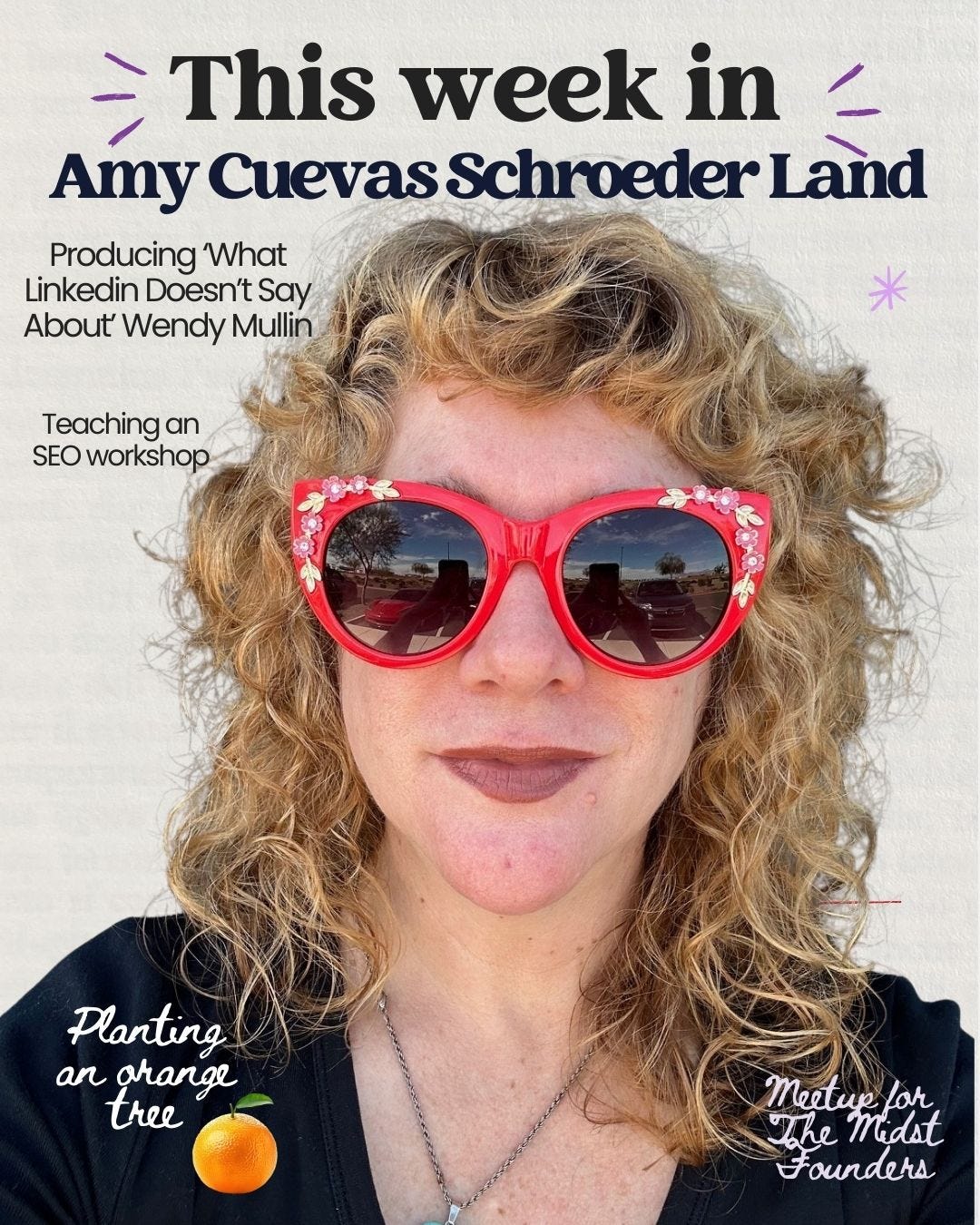
This week is gonna be good!
🧵 I’m producing What Linkedin Doesn’t Say About Wendy Mullin, founder of Built By Wendy. Wait til you see what she’s doing now!
👯♀️ Hosting a meetup with The Midst Founder network! During which, I’ll teach my first SEO workshop.
🍊 Planting a mandarin tree and a grapevine
Love this! Thank you for sharing your story and journey, I am only 2 weeks in on zep bound, but so far really loving that I am not having the high's and low's of blood sugar crashes! I didn't realize how bad they were until I have not been having them.