




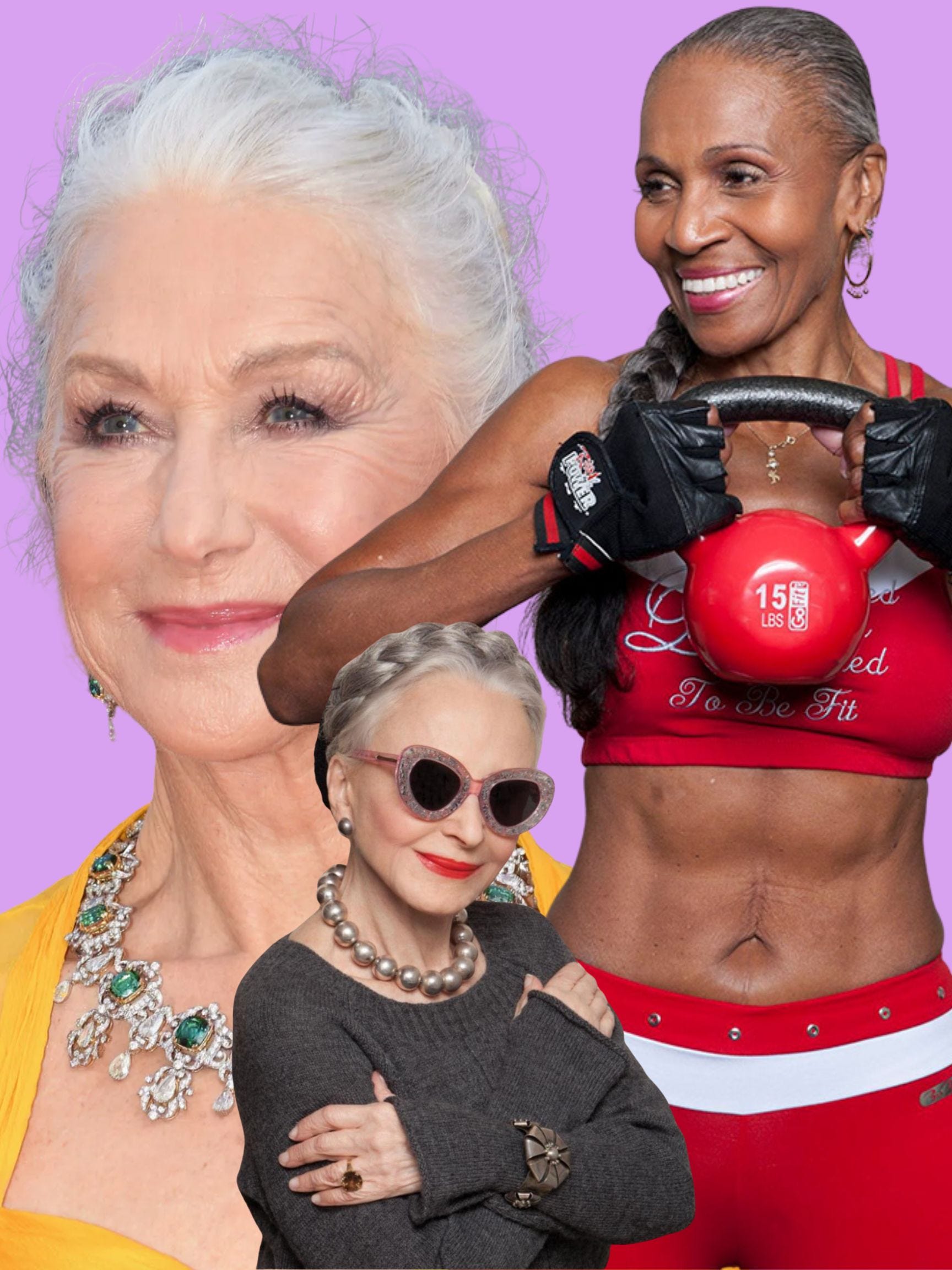
Your brain can still make new cells at 80. Here's who's doing it right.
I’ve been planning to become a Cool Old Lady since I was a teenager. That’s why I’m excited to hear about this study from the University of Illinois Chicago (my hometown). Researchers found that “SuperAgers” — people 80+ with the memory of someone 20-30 years younger — are still making new neurons in the hippocampus, and their brains look molecularly distinct from both typical aging brains and Alzheimer’s brains.
The behaviors linked to this resilience (curiosity, learning, real engagement) aren’t new advice — but now there’s a biological mechanism to explain why they might matter.
Using donated brain tissue, researchers led by Drs. Orly Lazarov and Jalees Rehmanthe analyzed more than 350,000 individual cells from the hippocampus, the brain’s memory and learning hub, looking for what makes SuperAger brains different at the cellular level.
What they found upends a long-standing assumption: adult brains can still make new neurons, and how much they make appears to track directly with cognitive health. SuperAgers had a distinct molecular signature tied to new neuron formation, and more newly created neurons than any other group studied — including other healthy older adults. People with Alzheimer’s disease, by contrast, showed clear signs that neuron creation had broken down. SuperAger brains also better preserved the cellular processes that keep neurons talking to each other and staying alive.
In other words, exceptional memory in old age isn’t just about which neurons survive. It’s about which brains keep making new ones.
That finding lines up with something health writers have been circling for a while: brain aging isn’t a single script everyone follows on the same timeline. It’s a slow negotiation, playing out unevenly across different regions and different people, shaped by decades of small choices long before anyone notices a forgotten name or a misplaced set of keys.
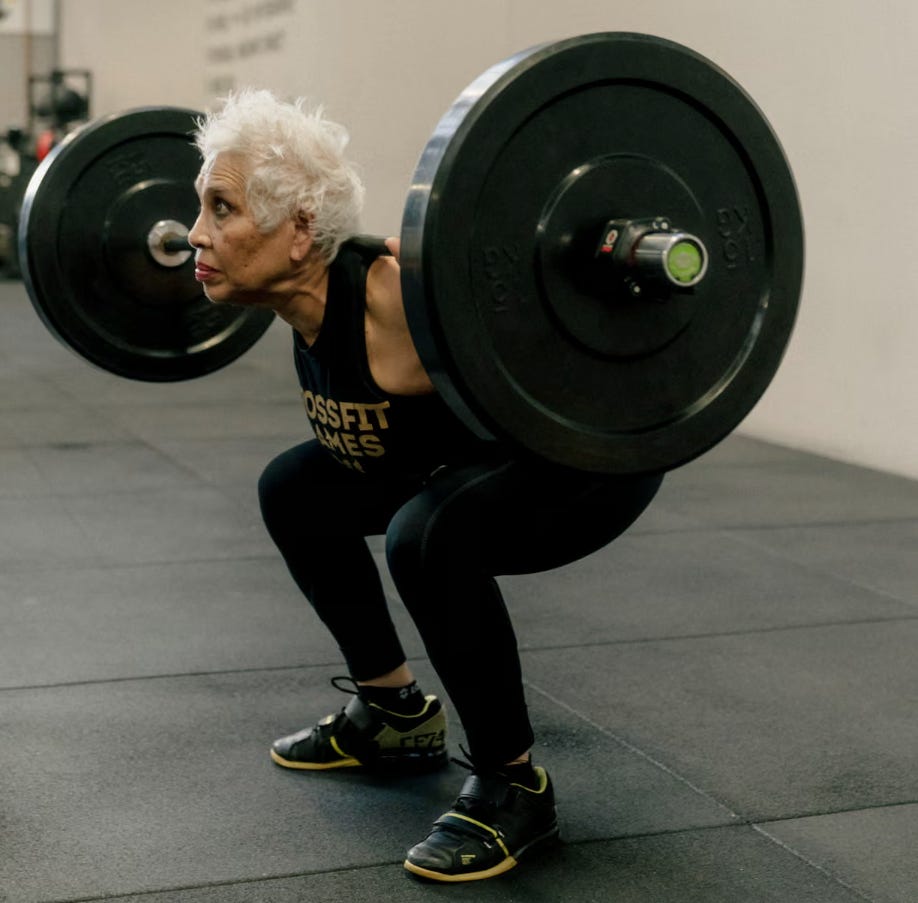
The behavioral pattern researchers keep seeing in SuperAgers isn’t higher IQ or elite education. It’s engagement — staying curious, learning new things, maintaining real relationships, taking on problems that require actual effort. Neuroscientists have long suspected this kind of challenge helps the brain stay adaptable. Now there’s a biological mechanism that helps explain why: sustained engagement may be part of what keeps the hippocampus generating new neurons well into old age, rather than letting that process quietly shut down.
This also reframes when brain health actually starts. Alzheimer’s and related dementias don’t begin the day someone forgets an appointment — the underlying changes, including disruptions to neuron creation, appear to build for years beforehand. Waiting for memory problems to show up before caring about brain health is a bit like waiting for chest pain before caring about your heart.
None of this means everyone can become a SuperAger through sheer effort — genetics and disease still matter. But it does mean the story of your brain at 80 is, in real measure, being written by what you’re asking of it today. Novelty, learning, and real engagement aren’t just feel-good advice. They may be biological signals telling your hippocampus whether it’s still needed.
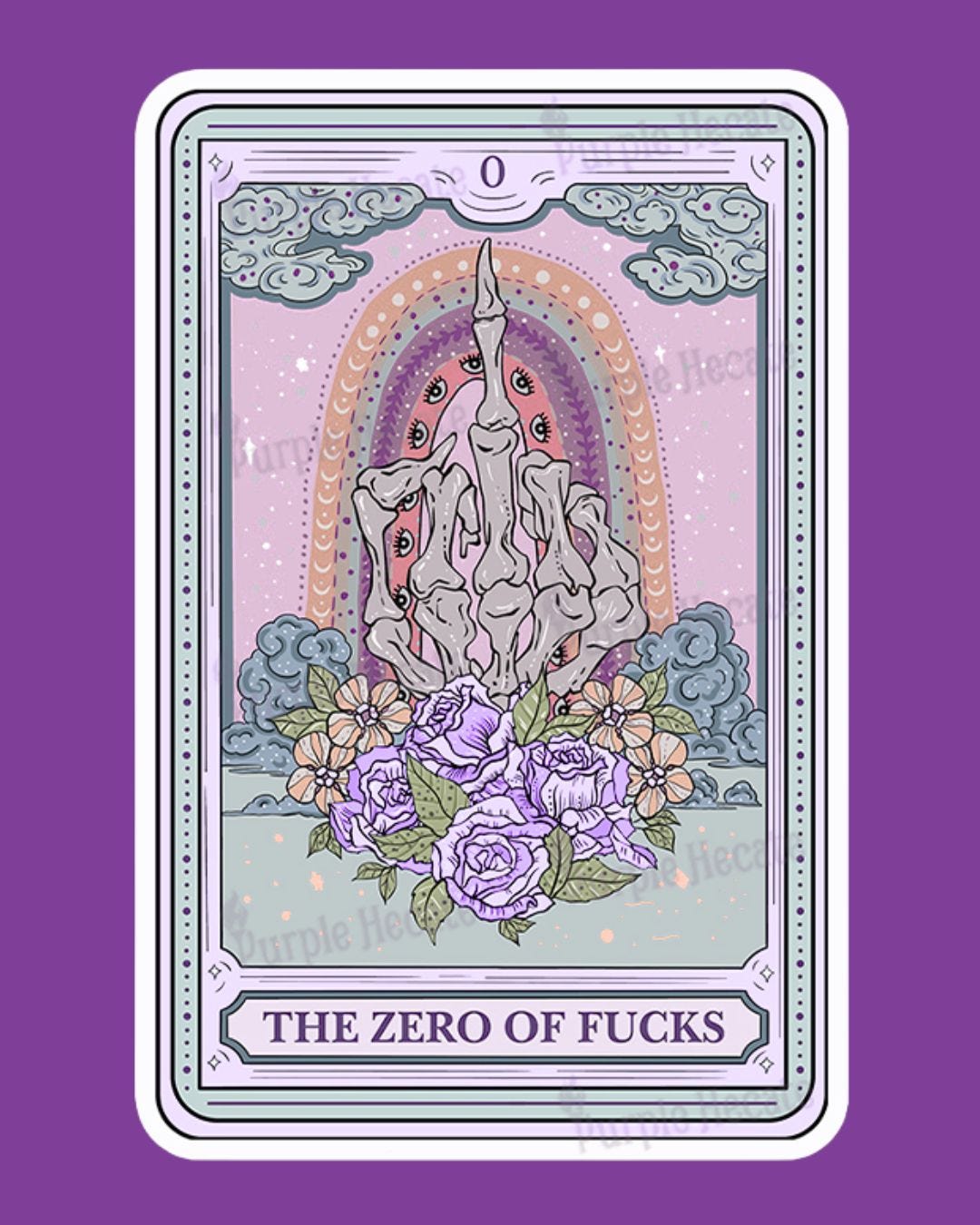
Now here’s a tarot card we’d like to pull out of the deck
Thanks to Lisa Shissler Smith, Founder of Daisy Triangle home automations in North Carolina, for sharing this card with The Midst Mastermind group last week. I haven’t found the deck yet, but I found a shirt here.
Stay tuned: Next week I’m excited to introduce you to all of the members of The Midst Mastermind Cohort 1.
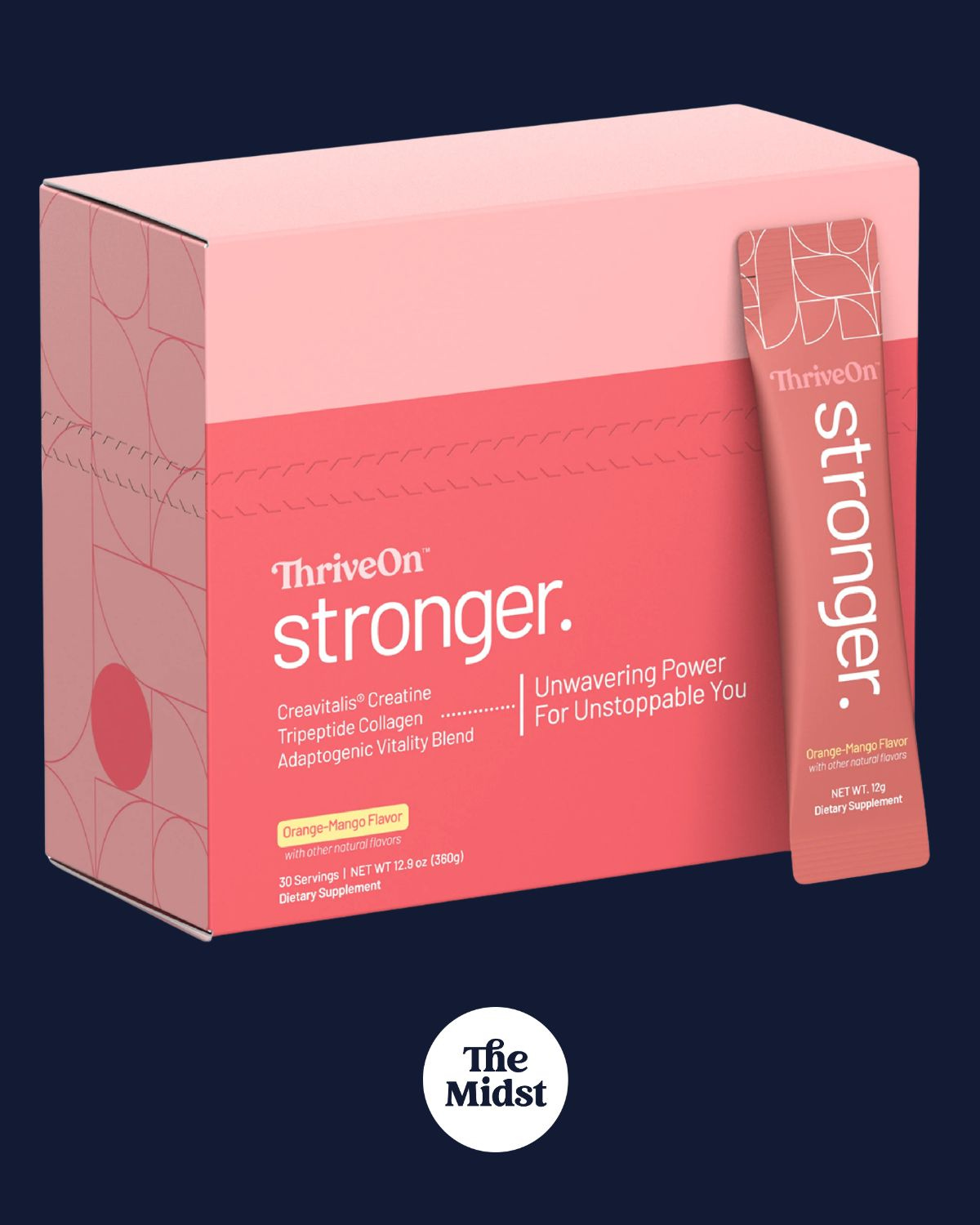
ThriveOn Stronger supports brain, bones, muscles, mood, cellular energy, sleep and skin for women in midlife. The daily supplement powder contains Creavitalis® Creatine, Marine Tripeptide Collagen, and more.
Just for readers of The Midst: Save 20% on ThriveOn Stronger when you use this special link: https://trythriveon.com/discount/TheMidst. The discount will be applied automatically during checkout and is good on your first order. ThriveOn offer a no-questions-asked money-back guarantee.
The co-founders of ThriveOn, Victoria and Andrew O’Hare, are members of The Midst Founder network. Read their startup story here.

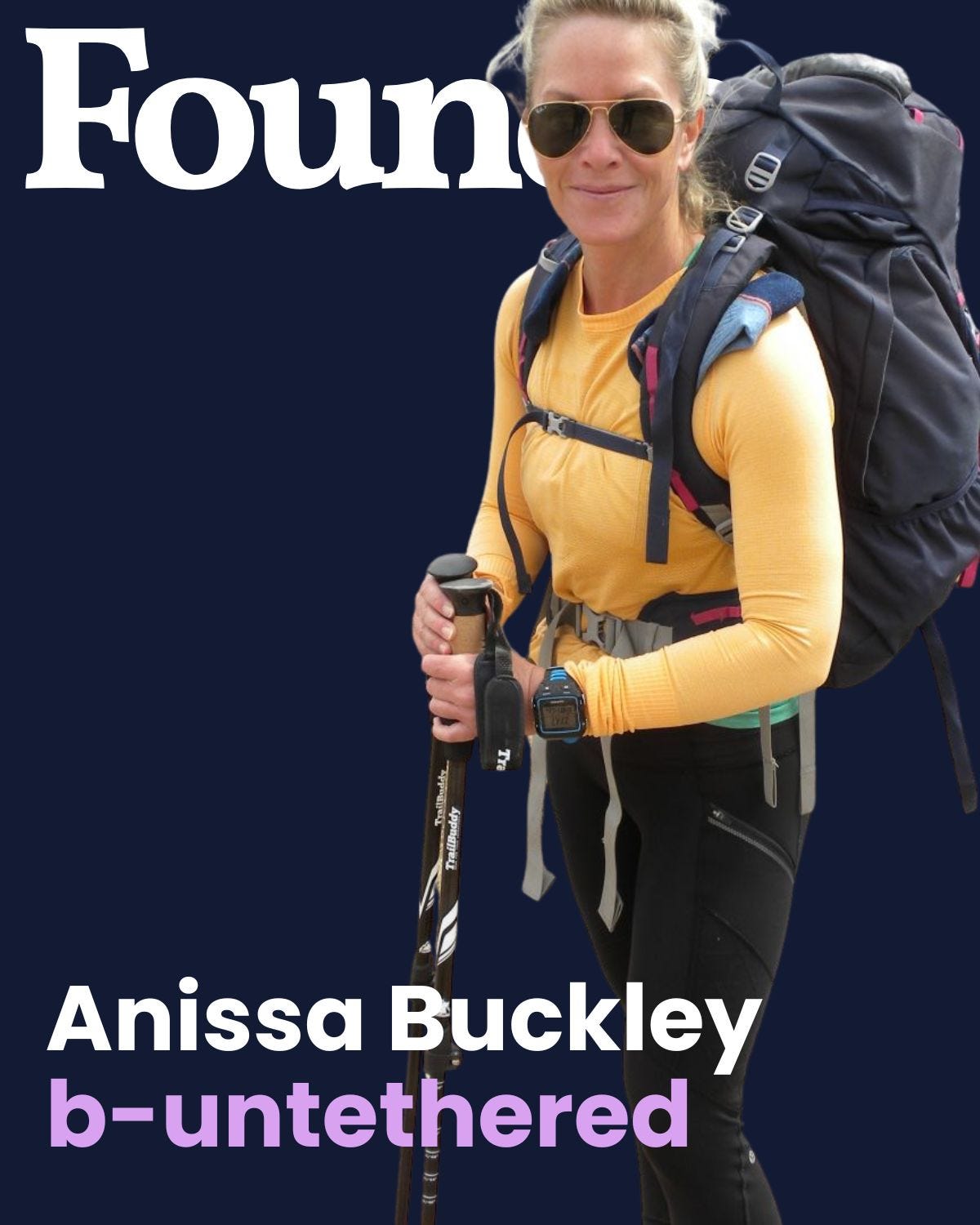
She sold everything at 47. At 59, Anissa Buckley is just getting started.
At 47, Anissa Buckley’s life came apart all at once. Both of her parents died. Her 12-year marriage ended. She exited her second company. And then she did something most of us would never think to do in the middle of so much grief.
She sold or stored nearly everything she owned, packed a backpack, and flew to South Africa.
“It was the beginning of learning about something called Hormetic Resilience,” she says now — the idea that strategic, appropriate doses of stress don’t just help us survive hardship. They make us stronger than we were before. Stronger, perhaps, than we ever imagined we could be.

Want to sponsor The Midst LA?
We’ll announce more speakers soon! Contact me at amy@the-midst.com.
My Grandma Tess, in her early 80's, made me promise (in my 40's) to make new friends younger than myself every year. Because when all your contemporaries and siblings are gone who will take you to the movies? She lived well with her love of music, dancing, good real conversation (she didn't much like small talk) knitting, gardening, and baking until 102. At her memorial service there were dozens of young people in addition to family.
Since I have been trying to be someone else's 'younger' as well make friends with young people and found my 'new' old friends deep and wonderfully experienced.
This is such an encouraging read. It’s another reminder that healthspan isn’t just about looking after our bodies: it’s about challenging our minds too. Staying curious, learning something new and keeping connected may be some of the best gifts we can give our future selves.